
Planning an event is a bit like putting together a giant puzzle. You have the venue, the food, and the guest list, but the music? That is the heartbeat of the whole thing. I have spent years helping friends plan weddings and hosting my own bashes, and the one question that always pops up first is: how much does a dj cost?
In 2026, the answer is a bit more nuanced than a single number. Prices have shifted with the times, reflecting everything from new tech to rising travel costs. Whether you are planning a "knees-up" in a local pub or a grand wedding at a country estate, let’s talk about what you should realistically budget.
If you are looking for a quick figure, the average professional DJ in the UK now costs around £500 to £1,200. I know, that is a wide gap!
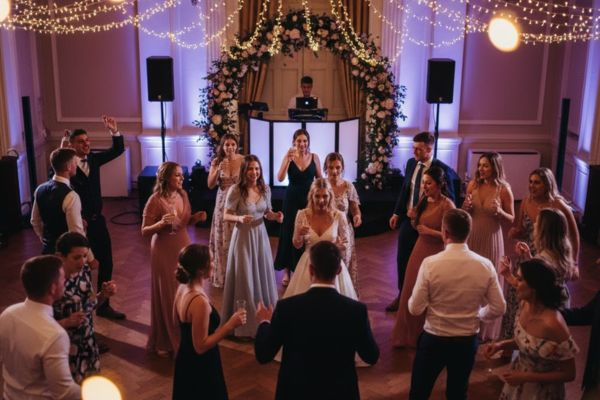
But it makes sense when you think about it. You wouldn't expect a local hobbyist with two speakers to charge the same as a pro who brings a laser show and ten years of experience. In my experience, the "sweet spot" for a reliable, high-quality pro usually lands right around £850.
To give you a better idea, I have broken down the typical costs based on the "tier" of the DJ. This is what you can expect to see in quotes across the country this year.
|
DJ Tier |
Price Range |
What You Get |
|
Budget / Newcomer |
£300 – £500 |
Basic sound and light, 4–5 hours of music, often a "side-hustle" DJ. |
|
Standard Professional |
£550 – £950 |
Experienced crowd reader, solid equipment, PAT tested gear, and insurance. |
|
Premium / Specialist |
£1,000 – £2,000+ |
High-end production, full-day service, or niche genre experts. |
|
Celebrity / Headline |
£5,000 – £50,000+ |
Big names, touring DJs, or producers (the sky is the limit here). |
Weddings are the "big leagues" for DJs. I’ve seen firsthand how a wedding DJ does so much more than just play tunes. They are the MC, the technical support for speeches, and the person who has to make sure your 80-year-old Nan and your 18-year-old cousin are both hitting the dance floor. Because of the extra prep work—consultations, bespoke playlists, and often an all-day commitment—you should budget between £600 and £1,300 for a wedding DJ.
Standard Evening (7 PM – Midnight): £600 - £900.
Full Day Service: £1,200+. This usually includes music for the ceremony, background tracks for the wedding breakfast, and microphones for the speeches.
For a 21st birthday, a 50th anniversary, or just a "just because" party, the price is usually a bit friendlier.

These events are often shorter and require less formal planning.
Average Range: £300 – £600.
Why it’s cheaper: You often don't need the "white-glove" service of a wedding. The DJ shows up, rocks the room for 4 hours, and heads home.
Corporate gigs are a different beast. These often require the DJ to work with an event planner and meet strict health and safety standards. If I’m booking for a company bash in the City, I expect to pay a bit more for that level of professionalism.
Typical Cost: £500 – £1,000.
The "Pro" Factor: These DJs often have higher-grade PA systems to fill large hotel ballrooms and carry substantial Public Liability Insurance (PLI), which venues strictly require.
Ever wondered why two DJs in the same town give you wildly different quotes?
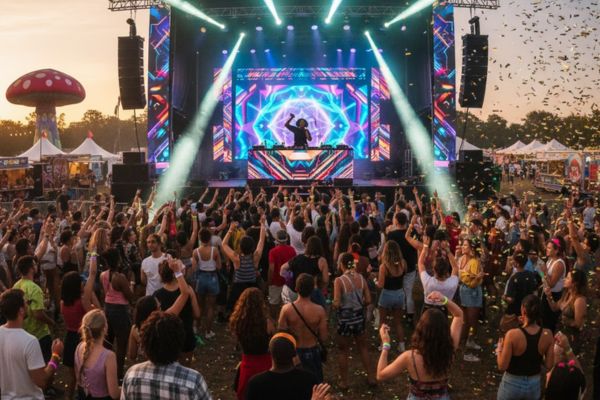
It usually comes down to these four things:
Experience: You are paying for their ability to "read the room." A pro knows exactly when to switch from 80s cheese to modern floor-fillers to keep the energy up.
Date and Season: A Saturday in August is the "gold dust" of the calendar. Booking a Tuesday in November? You’ll likely get a much better deal.
Equipment: Does the DJ own a £5,000 sound system or a £500 one? Better gear means better sound quality (and fewer "blown speaker" nightmares).
Duration: Most quotes are for a 5-hour set. If you want them to play until 2 AM, expect an "overtime" fee of about £100 per hour.
In the UK, most mobile DJs prefer Flat Packages. I personally prefer this too because it avoids "bill shock."
Flat Packages: Usually include setup, 5 hours of music, and pack-down. You know exactly what you are paying upfront.
Hourly Rates: Usually range from £60 to £150 per hour. This is more common for club sets or if you are hiring a DJ for a very short window (like a 2-hour kids' party).
Pro Tip: Always ask if the "setup time" is included in the price. You don't want to pay an hourly rate while they are just plugging in cables!
When you see a quote for, say, £750, here is what is usually "under the hood":
The Performance: 4 to 5 hours of live mixing.
Sound System: Professional speakers and a mixer.
Basic Lighting: T-bar lights or "moving heads" for the dance floor.
Consultation: A call or meeting to discuss your "must-play" and "do-not-play" lists.
Travel: Usually within a 30-50 mile radius.
I’ve made the mistake of forgetting the "small print" before. Keep an eye out for these:
Travel Fees: If the DJ has to drive from Manchester to London, they will charge for fuel and time.
Early Setup: If you want the gear ready by 2 PM but the music doesn't start until 7 PM, the DJ might charge an "idle time" fee.
Late Finishes: Anything past midnight often incurs an extra charge.
Parking/Ulez: Especially in cities like London, you might need to cover their parking or Congestion Charge.
We’ve all seen the "DJ for £150" ads on social media. I’ll be honest: it’s a gamble. A cheap DJ might have great music taste, but they often lack the "boring" stuff that keeps you safe:
Backup Gear: If their laptop dies, does the music stop? A pro has a backup.
Reliability: Will they actually show up, or will they take a higher-paying gig at the last minute?
Insurance: Most venues won't even let a DJ in the door without Public Liability Insurance.
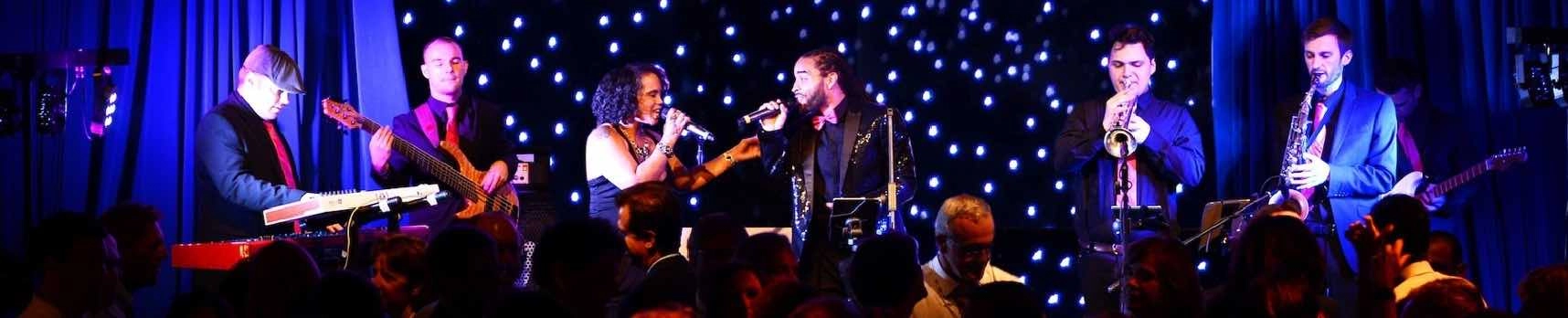
It sounds like a massive gap, doesn't it? But think of it like cars. A Ford and a Ferrari both get you to the shops, but the experience is different. A £3,000 DJ isn't just playing songs. They are providing a "DJ Live" experience (maybe with a Sax player), bespoke lighting design that matches your wedding colors, and months of planning support. They are the "Premium" option for people where the party is the #1 priority.
Where you are in the UK matters—a lot.
|
Region |
Est. Average Cost |
|
London & South East |
£700 – £1,200 |
|
Midlands & North West |
£500 – £850 |
|
Scotland & Wales |
£450 – £800 |
|
South West |
£550 – £900 |
London prices are naturally higher because of the cost of living and the "faff" of getting equipment into city venues.
Standard lighting is usually included. However, if you want that "wow" factor, you’ll pay for add-ons:
Uplighting: (Mood lights around the walls) — £150 - £300.
Dancing on Clouds: (Dry ice effect) — £200 - £400.
LED Dance Floor: — £400 - £800.
Wireless Mics: (For speeches) — Often included, but sometimes £50 extra.
You don't have to break the bank to get a good vibe. Here are my favorite "hacks":
Book Local: You save on travel fees and they likely know your venue’s sound system already.
Off-Peak Dates: A Friday or Sunday wedding can save you 10-20%.
Use the Venue's Gear: Some venues have a "house" PA system. If the DJ just has to "plug in," they might give you a discount.
Shorten the Set: Do you really need music from 6 PM? Maybe a Spotify playlist for dinner and the DJ from 8 PM onwards.
The best DJs in the UK book up 9 to 15 months in advance. If you book early, you often "lock in" current rates, avoiding the 5-10% annual price increases that happen as equipment and fuel costs rise.
Don't just look at the price tag. Ask these three "lifesaver" questions:
"Do you have a backup plan if you get ill?" (A pro will have a network of colleagues).
"Can I see your PAT testing and Insurance certificates?" (Your venue will ask for these).
"How do you handle song requests?" (You want someone who is flexible, not a "music snob").
I love a live band, but they are expensive. A 4-piece band in 2026 will set you back £1,600 to £2,200. A DJ is almost always more budget-friendly. Plus, a DJ can play literally any song ever recorded, whereas a band is limited to their setlist. Many couples now choose a "middle ground"—a DJ with a live Saxophonist or Drummer—for about £1,400.
I chatted with a few people recently about their 2025/2026 bookings:
Sarah (Manchester): Paid £650 for a wedding DJ (Evening only). Included basic lights and a pre-event call.
Tom (London): Paid £1,100 for a corporate Christmas party. Included extra "moving head" lights and a smoke machine.
Jenny (Bristol): Paid £350 for a 40th birthday party at a local social club.
If you want a stress-free night where the dance floor is never empty, I’d suggest budgeting £750 to £900 for a professional UK DJ in 2026. Yes, you can find cheaper, but your entertainment is the one thing your guests will remember the most (well, maybe after the food!). Investing in a pro means you can actually enjoy your own party instead of worrying about why the speakers are buzzing.
In 2026, most couples pay between £600 and £1,300. This fee usually covers the sound system, lights, and five hours of music. Prices vary based on your date and location.
Most UK DJs charge between £60 and £150 per hour. However, many pros prefer to offer a flat package. This ensures you know the total cost for the whole night upfront.
Most quotes include a basic set of gear and local travel. If your venue is very far or you want extra laser lights, you may need to pay more for fuel and setup.
Low-cost DJs can save money but may lack backup gear or insurance. Professional DJs bring peace of mind and better sound quality. This keeps your dance floor safe and full.
You should book your DJ at least 9 to 12 months in advance. Booking early helps you lock in current rates. It also makes sure your top choice is free for your date.