

I still remember the feeling.
A grey afternoon. Rain on the window. The radio is low in the corner of the room.
One song came on, and everything felt lighter. That’s the power 1990s pop bands had. They didn’t just fill the air. They filled moments. For many of us in the UK, those songs became part of growing up. School days. Bus rides. Quiet evenings with a CD player humming away.
That’s why 1990s pop bands still matter.
It’s hard to explain unless you lived through it. One song on the radio could change your whole afternoon.It’s hard to explain unless you lived through it. One song on the radio could flip your whole mood. I remember rainy afternoons in the UK, sitting by the window, letting pop bands from the 1990s play in the background like a friend keeping me company.

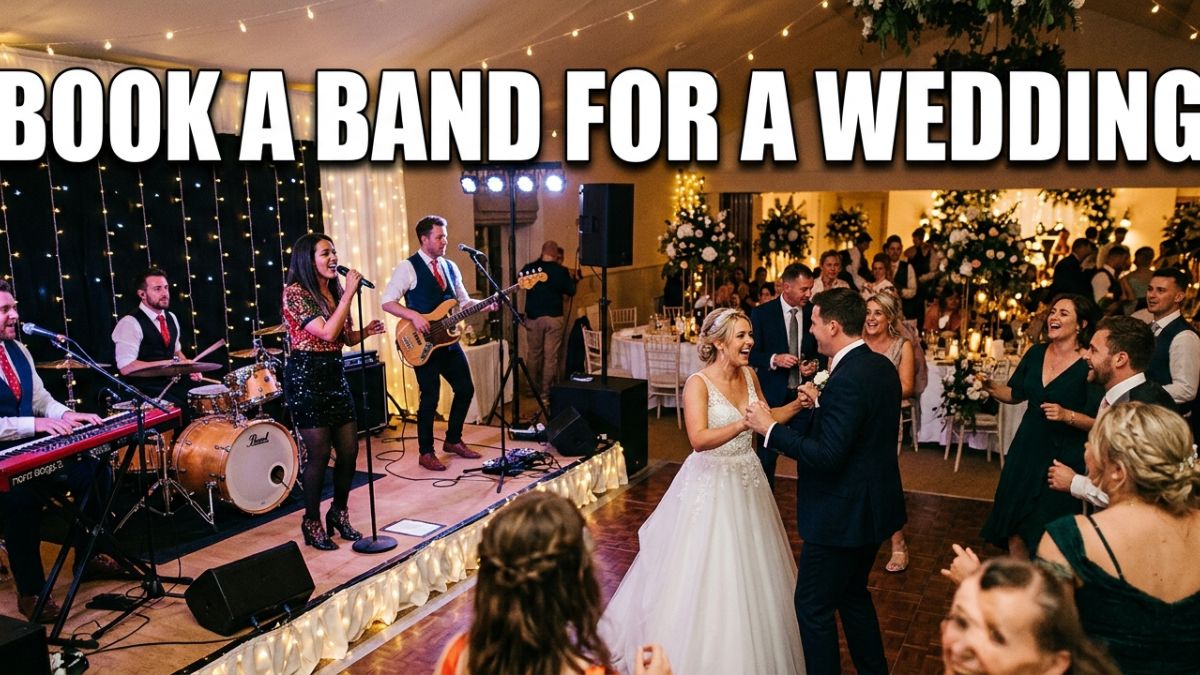
These bands mattered because they felt real. Their songs talked about love, doubt, and hope in plain words. No fuss. Even today, I hear those tracks at weddings, playlists, and even lists of the best bridal party entrance songs, and they still work. That says a lot.
In the UK, pop bands shaped how young people saw themselves. Music wasn’t background noise. It was an identity. You chose a favourite group, and suddenly you belonged somewhere.
I saw it everywhere:
School discos with packed dance floors
Bedrooms covered in posters
Friends arguing over which song was best
That shared listening mattered. We listened together. On radios. On CDs passed around like treasure. And now, years later, that nostalgia still hits. Hard.
Modern pop still follows the same blueprint. Catchy hooks. Clean harmonies. Strong visuals. The formula didn’t disappear. It evolved.
The 90s didn’t invent pop groups, but it perfected the formula.The 90s didn’t invent pop groups, but they perfected the idea. I remember turning on the TV and seeing the same faces again and again. Each person had a role, and it felt planned but still fun.

These groups worked because they felt balanced. Different voices. Different styles. Someone serious, someone playful. You always found one person you liked most, and that kept you watching and listening.
Before that, solo artists ruled the charts. Then something shifted. Record labels realised that groups created balance. Different voices. Different looks. Different personalities.
In the UK, TV played a huge role. You’d see these groups on weekend shows, then hear them on the charts the next day. It felt instant.
What stood out most:
Tight production
Coordinated fashion
Simple but bold dance routines
It all felt polished, yet approachable. Like they could be famous and still feel close to you.
Success wasn’t accidental. There was a pattern, even if we didn’t notice it back then.
From my own listening, a few things always stood out.Success in the 90s was never random. I could feel it even as a listener. Some songs grabbed you fast, and you knew they would stick. The hooks were simple, and the words were easy to remember.

Each band also felt balanced. Every member brought something different. One made you laugh. One felt calm. One seemed deep. That mix made fans feel seen and connected.
First, the songs were easy to sing. Short lines. Clear words. No overthinking.
Second, each member had a role. One was funny. One was serious. One felt shy. You always found someone you related to.
And the themes mattered:
First love
Heartbreak
Feeling unsure about the future
Those songs felt like they were written for us. Not at us.
Before streaming, listening to music took effort—and that effort made it feel special. Before streaming, music took effort in the UK. I remember saving coins to buy CDs from high-street shops. Opening the case felt special, like starting a small event at home.
Radio mattered a lot back then. You waited for your song and hoped the DJ stayed quiet. If you missed it, you waited again. That waiting made the music stick.
I remember saving pocket money to buy CDs from high-street shops. You’d open the case slowly. Read the booklet. Look at every photo.
Sometimes, you waited by the radio just to record one song. Timing mattered. Mess it up, and you waited another week.
Music lived everywhere:
School buses with shared headphones
Bedrooms late at night
Living rooms with the volume too high
Different parts of the UK had different tastes. But pop bands cut through all of it.
You didn’t just hear these bands—you saw them everywhere.You didn’t just hear 1990s pop bands. You saw them everywhere. On TV. In magazines. On posters taped to bedroom walls. Their look hit you first, like bright paint on a grey day.
The fashion was bold and loud. Baggy trousers. Crop tops. Matching outfits. Sometimes it looked odd, but it worked. Each band felt like a team, dressed to belong together.
I remember trying to copy those looks at school discos. It never looked right, but it felt fun. Clothes became part of the music, not just something they wore.
The fashion was loud. Sometimes strange. But always memorable. Matching outfits. Big colours. Styles copied straight from music videos.
At school discos, we tried to copy the moves. Not well. But we tried. And that was the fun.
Music videos told stories too. They weren’t random. They showed emotion, attitude, and energy. That visual side made everything stick longer in your head.
Some songs hit harder than expected, usually late at night with headphones on. I remember lying on my bed, staring at the ceiling, letting one song loop again and again. It felt like the band knew exactly how growing up felt. Confusing. Exciting. A bit scary.
That emotional pull still works today. When those songs play at parties or even during best bridal party entrance songs, people smile without thinking. The feelings are still there, waiting to be felt again.
The emotions were simple, but honest.
Songs talked about:
Wanting to be loved
Feeling left out
Holding onto hope
I remember lying on my bed, staring at the ceiling, letting the music run. Those lyrics felt like company. Like someone else understood.
That’s why they still work today. The feelings haven’t changed. Just the way we hear them.
You can still hear the 90s hiding inside today’s chart hits.You can still hear the 90s in today’s pop songs. It shows up in catchy hooks, group vocals, and big sing-along choruses. The sound changed, but the heart stayed the same.
I notice it most when a new song feels familiar right away. That fast connection comes from 1990s pop bands. They taught artists how to grab your ear in seconds.
Even the way fans connect feels similar. What used to be posters and magazines is now social media and short clips. The love is still loud, just shared online.
Modern pop borrows a lot:
Group harmonies
Catch-first choruses
Clean, emotional lyrics
Even fan culture feels familiar. It’s just moved online. What used to be magazines and posters is now social media and clips.
There’s also a clear revival happening. Retro sounds. Old-school pop energy. It’s not accidental. The influence never left.
Looking back, 1990s pop bands were more than music. They were part of daily life in the UK. From school mornings to quiet evenings, their songs stayed close and personal.
What still stands out is how human it all felt. The waiting. The shared moments. The simple joy of hearing a familiar tune. That feeling hasn’t faded. It’s why these bands still matter today.
1990s pop bands were popular because they felt relatable. Their songs played on UK radio, at school discos, and at home, creating shared memories people still connect with today.
1990s pop bands focused on simple songs, clear emotions, and group identity. Music felt slower and more personal before streaming and social media changed listening habits.
UK fans listened through CDs, radio charts, and music TV shows. Buying albums and recording songs made music feel special and more meaningful than instant streaming.
1990s pop bands sang about first love, friendship, heartbreak, and hope. These simple themes matched teenage life and still feel familiar to many listeners today.
Yes, modern pop still uses ideas from 1990s pop bands. Catchy hooks, group harmonies, and strong fan culture continue to shape today’s chart music.