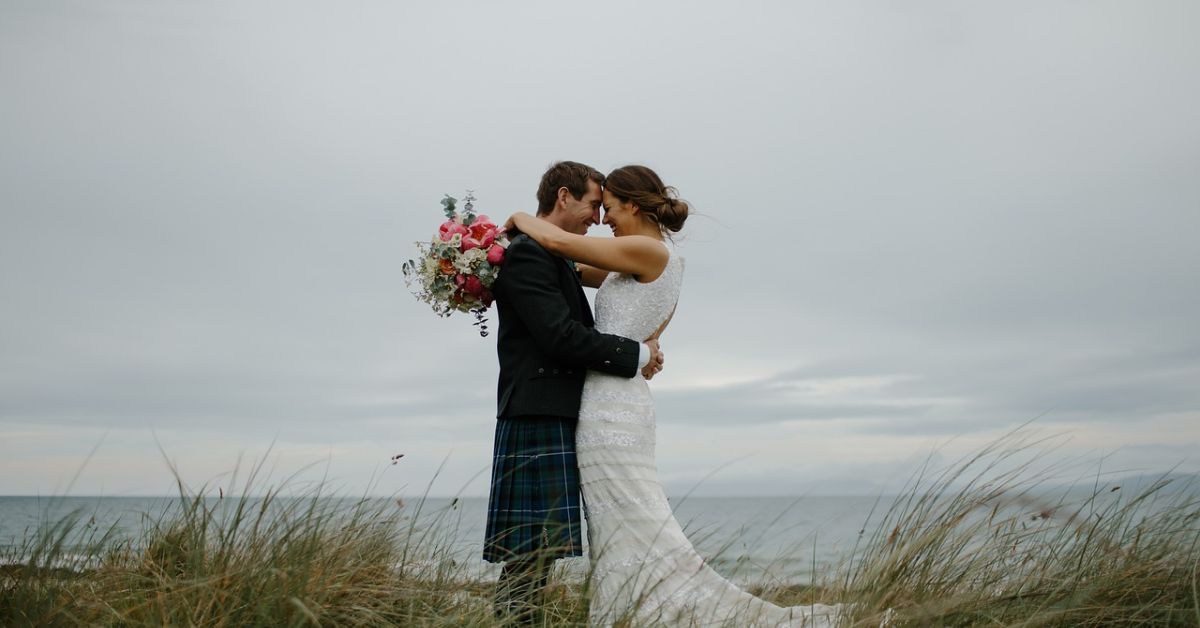


I still hear these songs without trying.
In traffic. In shops. At weddings.
That’s the thing about 90s pop groups. They don’t fade. They wait.
I didn’t plan to care this much. But years later, I still know every word. Sometimes before the chorus even hits.
Step into any UK wedding, school reunion, or late-night radio show, and you’ll hear them. These songs never really left.I hear 90s groups pop when I least expect it. In traffic. In shops. At weddings where everyone suddenly knows the words. These songs feel like muscle memory. You don’t think. You just sing.
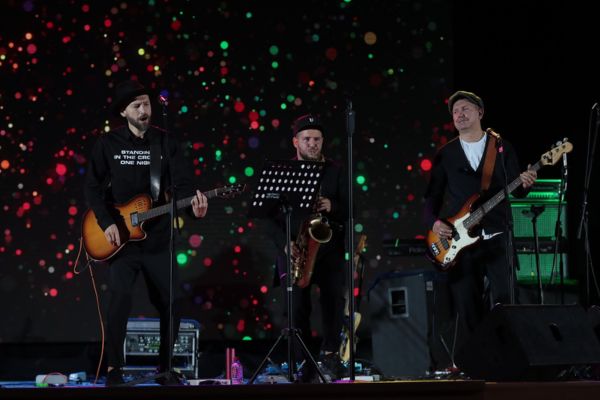
What makes them last is how human they sound. Simple lyrics. Clear hooks. Real feeling. I’ve watched shy people smile and tired people dance when a 90s hit comes on. That kind of reaction doesn’t age. It sticks, like a good story you never stop telling.
I first noticed this at a friend’s wedding in Leeds.
Rain outside. Warm lights inside. One song came on.
The whole room moved at once.
That’s nostalgia at work.
But it’s more than memory.
The melodies are simple
The lyrics feel honest
The hooks land fast
Back then, pop songs felt shared.
Car radios. Saturday TV. High street shops with doors open.
You didn’t search for the music. It found you.
The 90s didn’t invent pop groups—but they perfected the formula at exactly the right time.The rise of 90s groups pop felt natural, not forced. I remember waiting for music shows to start and rushing back into the room when a song came on. Pop groups filled the screen with colour, smiles, and easy beats. It felt like music was made to be shared.
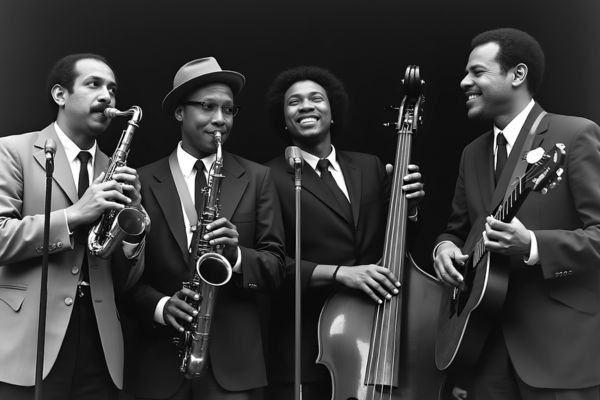
Back then, music was part of daily life. We bought CDs, taped songs off the radio, and talked about them at school the next day. Pop groups worked because they matched the moment. The songs were simple, the faces were familiar, and the timing was just right.
I remember flipping channels just to catch music videos.
Top of the Pops mattered.
MTV Europe felt huge.
Music was physical then.
Tapes snapped
CDs skipped
Lyrics sat folded in jacket pockets
In the UK, fandom felt local.
School talk on Monday.
Charts on Sunday.
You felt part of it, even if you never said it out loud.
You could spot a 90s pop group before hearing a single note—style mattered as much as sound.
What made 90s groups pop so easy to spot was the look and the sound. You could mute the TV and still know who it was. Matching outfits. Clear smiles. Simple moves that felt fun, not forced. It was like watching a team that knew their roles.
The songs followed the same rule. Short verses. Big choruses. Feelings you didn’t need to explain. I remember learning the words fast and singing them without thinking. That mix of style, harmony, and heart is what made these groups stand out—and still easy to love today.
They followed patterns. But it worked.
Tight harmonies
Clear roles in the group
Simple dance moves
Lyrics about love, hope, or heartbreak
Some sang lead. Some danced. Some smiled.
Everyone had a place.
It wasn’t deep.
But it was direct.
And sometimes, that’s better.
The UK didn’t just follow pop trends—it exported them worldwide.
UK 90s groups pop ruled the charts like clockwork. I remember checking the Top 40 and knowing which song would stick all week. These groups felt close to home. You heard them on the bus, in shops, and on the radio at night.

What made them strong was consistency. Catchy hooks. Friendly faces. Songs built for repeat plays. I saw crowds sing every word without being asked. That kind of reach only comes when music fits everyday life.
I saw this first-hand through chart culture.
Singles mattered. Positions mattered.
Even drops mattered.
Touring life shaped the sound.
Rainy nights in Manchester
Long drives between Glasgow and Birmingham
Small arenas that felt huge
Radio 1 pushed songs fast.
Regional stations pushed them longer.
That mix kept songs alive.
Some groups crossed oceans and still felt at home on British radio. Some 90s groups pop didn’t start in the UK, but they still felt local. I remember hearing their songs on British radio and thinking they fit right in. The sound crossed borders without effort. It felt familiar, not foreign.
What worked was balance. Big hooks. Clear beats. Easy words. UK listeners welcomed them because the feeling matched our mood. When a song plays and the whole room reacts, where it came from no longer matters.
I didn’t think about where they came from.
I just knew the songs worked.
American pop felt polished.
European pop felt playful.
The UK sat in the middle.
You could hear the difference.
But the feeling stayed the same.
That’s cultural crossover done right.
No effort. No explanation. Just sound.
Some groups burned bright and fast. Others learned how to survive the decade.
You could feel it early on. Not all 90s groups had the same journey. Some songs exploded, played everywhere, then vanished fast. I remember loving a track one summer and never hearing that group again. It felt like a spark that burned out.
Other groups stayed. They toured. They grew. Their sound changed just enough to keep going. You could feel which ones would last. The songs had legs, and the crowds kept showing up.
Some songs hit hard. Then vanished.
Others stuck around. Grew. Changed.
What made the difference?
Touring discipline
Group chemistry
Smart timing
A bit of luck
I remember thinking, “This one will last.”
Sometimes I was right.
Sometimes not.
Music didn’t just play—it walked, dressed, and danced in front of us.90s groups pop didn’t just sound good. They looked good too. I remember copying hairstyles and baggy outfits without thinking twice. What artists wore on TV showed up in schools the next week. Music became a guide for how to dress and act.
Youth culture followed fast. School discos felt louder. Youth clubs felt cooler. The clothes, the moves, the attitude all came from pop groups. It gave young people a shared style. Even now, parts of that look still sneak back in.
I can still picture it.
Baggy jackets
Frosted tips
Cheap aftershave in school halls
Discos felt sweaty.
Lights flashed. Floors stuck.
But no one cared.
Pop music gave people a look.
And that look gave people confidence.
Even now, bits of it still show up.
You just notice it more when you’ve lived it.
As the millennium approached, pop groups had to choose—adapt or disappear. The shift from 90s groups pop to early 2000s music felt slow at first. I remember hearing songs that sounded sharper and cleaner. The warmth changed. The polish increased. It felt like pop was growing up.
Technology played a big role. Digital tools shaped the sound and sped things up. Pop groups had to adapt or fade. Some did it well. Others disappeared. You could hear the future forming, one track at a time.
Technology shifted everything.
Digital recording
Cleaner sound
Faster releases
Audiences changed too.
Attention spans shortened.
Reality TV crept in.
Some groups adapted.
Some didn’t.
I remember feeling the change before hearing it.
The music felt sharper.
Less soft. More polished.
There’s a reason these songs fill UK dance floors faster than anything new. I’ve seen 90s groups pop save a quiet room more than once. A wedding. A work party. One song plays, and people look up. Feet move. Smiles spread. It happens fast.
These songs are easy to know and easy to love. No learning needed. Different ages join in without effort. When music brings everyone together like that, it always works.
They unite people.
Weddings
Work parties
Birthday nights
Age stops mattering.
Lyrics take over.
I’ve seen quiet guests sing loud.
Seen tired people dance again.
Village halls. Marquees. City venues.
Same result every time.
That’s not an accident.
That’s good pop.
The format changed, but the feeling didn’t. I listen to 90s groups pop differently now. Mostly through playlists. Sometimes on the radio while driving. The songs feel familiar, like voices I already trust. They still fit the moment.
Live shows bring it back in full colour. I’ve seen people sing louder than the speakers. Phones go down. Smiles go up. When music does that, it hasn’t aged at all.
I stream playlists now.
Sometimes in the car. Sometimes late at night.
Radio still plays its part.
So do reunion tours.
The sound feels familiar.
But I hear it differently now.
Not better.
Not worse.
Just older. Like me.
And somehow, that makes it hit harder.
90s groups pop still feel like an old friend who never moved away. I’ve heard these songs in cars, at weddings, and late at night when the house is quiet. After years of listening, watching crowds react, and feeling that same rush myself, I know why they last. They connect people fast and without effort. If you play them today, don’t overthink it—just press play and let the room do the rest.
90s pop groups are still popular because the songs are simple, catchy, and emotional. They bring back shared memories from school, TV shows, and everyday UK life.
90s pop groups focused on harmony, clear roles, and live performance. Today’s pop often relies more on solo artists, digital production, and streaming trends.
Yes. In the UK, 90s pop groups dominated charts, radio, and TV. Shows like Top of the Pops helped songs reach everyone at the same time.
90s pop songs are easy to sing and widely known. They bring different age groups together, which is why they work so well at UK weddings and events.
You can listen to 90s pop groups through streaming playlists, UK radio stations, or live reunion shows. The music is easy to find and still feels familiar.