
I still remember the first time I stood in a quiet church and heard classical wedding musicians begin to play. The room softened, people slowed, and everything suddenly felt right. After seeing many ceremonies across the UK, I’ve learned how live classical wedding music shapes emotion, timing, and flow in ways playlists never can. In this guide, I’ll share real moments, simple advice, and how classical music played at weddings creates calm, meaning, and connection. If you want your ceremony to feel timeless and human, let’s walk through it together.
Live music changes a room fast. I’ve felt it many times. When classical wedding musicians start to play, people relax. The noise fades. The moment feels real.
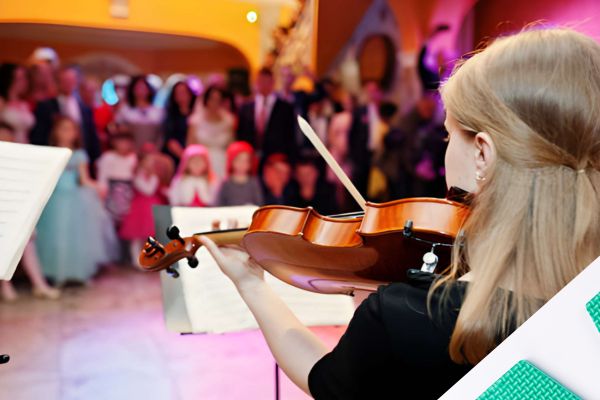
I’ve watched guests stop talking mid-sentence. Heads turn. Shoulders drop. Classical music played at weddings feels safe and known. Even famous wedding classical music sounds warm, not showy.
In the UK, place matters a lot. Old churches and halls love soft sound. Classical wedding ceremony music fits these spaces well. The notes travel. They never shout.
Couples also want choice now. A gentle classical wedding mix works well. You can blend old tunes with new ones. That balance keeps classical wedding musicians popular year after year.
Most people think they just play the walk-in song. There is much more going on behind the scenes.
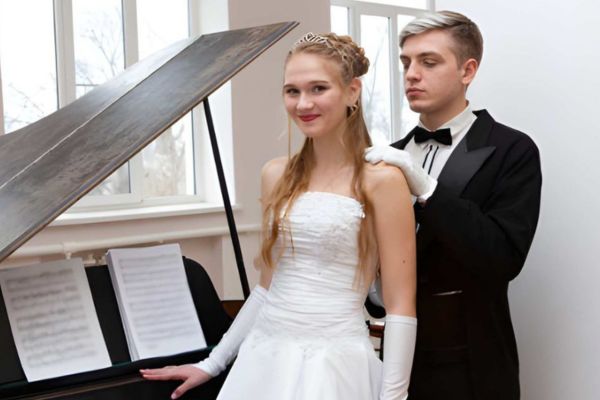
I’ve seen classical wedding musicians arrive before anyone else. They test the space. They listen to echoes. In a classical music wedding, this matters a lot. Old UK churches and halls change how sound moves.
They guide the day with music. Before guests arrive, they play soft background pieces. During the walk in, they match steps and pace using classical songs for wedding ceremony moments. If someone pauses, they adjust without stress.
When it’s time to sign, the mood shifts. Classical music played at weddings becomes gentle and calm. Later, famous wedding classical music lifts the room as couples walk out smiling. A small classical wedding mix helps every moment feel smooth.
On the day, they usually handle:
Music before guests arrive
The processional
Background music during signing
The recessional
When something runs long, they stretch gently.
When it moves fast, they tighten the pace.
That flexibility is priceless.
Some music never fades. I’ve heard the same pieces work again and again.
.jpg)
Traditional classical music played at weddings feels safe. It calms nerves. Guests know what’s coming, even if they don’t realise it. Famous wedding classical music often sits in the background and does its job quietly.
Modern choices are showing up more now. Film scores and soft piano covers fit well. When arranged right, they blend into a classical music wedding without feeling out of place.
A good classical music wedding doesn’t feel stuck in the past.
It feels intentional. Calm. Thoughtful.
Music works best when it matches what is happening.
Before the ceremony, light instrumental classical music for wedding moments helps guests settle. Nothing loud. Nothing rushed. Just calm sound.
For walking down the aisle, classical songs for wedding ceremony timing matter most. The pace must match real footsteps. During signing, softer music works best. It fills silence without pulling focus.
Choosing music gets easier when you match it to what’s actually happening in the room.
This is the mood-setter.
People are finding seats. Whispering. Looking around.
Light instrumental pieces work best here.
Nothing too bold. Nothing too fast.
Solo piano or strings feel warm.
They ease nerves. Especially on cold UK mornings.
This moment carries weight.
It needs space. And steady pacing.
Many couples choose classical songs for wedding ceremony entrances.
They’re predictable in a good way.
Instrumental classical music for wedding entrances helps with timing.
Live players adjust to walking speed. Speakers cannot.
I’ve seen brides pause halfway.
The musicians followed without panic.
That calm matters.
This part feels quiet and practical.
Music fills the gap.
Gentle piano or strings work best.
Nothing distracting. Nothing dramatic.
It’s background music, but it still counts.
Guests notice the calm.
This is joy. Relief. Celebration.
The music should lift the room.
Faster tempo works well here.
Confident. Bright. Clear.
This is where smiles spread fastest.
Even tired guests wake up.
People recognise these pieces within seconds. That matters.
Famous wedding classical music carries memory. Guests feel calm before they think. That response is learned, not forced. It helps the ceremony feel important.
These pieces also suit many venues. Churches, halls, and old buildings welcome them. Still, they are not right for every space. Small rooms need lighter sound.
The instrument often shapes the mood more than the song.
String groups feel rich and full. They work well in churches. Piano or keyboard suits small rooms and registry offices. It gives control and balance.
Solo violin or cello feels close and emotional. Harp or flute works best outdoors. Each choice changes how classical wedding ceremony music feels in the room.
I’ve worked with many classical wedding musicians over the years.
The setup always shapes the feel.
Elegant and traditional.
Perfect for churches.
The sound fills large spaces well.
It carries without being harsh.
Flexible and practical.
Great for smaller UK venues.
Electric keyboards help where no piano exists.
They work well in registry offices.
Intimate and emotional.
You hear every note.
This suits small ceremonies.
It feels personal. Almost private.
Light and romantic.
Great outdoors.
Garden weddings love these sounds.
They float rather than push.
Couples always ask for a simple list. I get it.
A strong classical wedding music list keeps planning easy. Use gentle pieces for arrivals. Pick steady classics for walking in. Choose brighter music for the exit.
These classical songs for wedding moments work because they match energy, not trends. That’s the secret.
Here’s a simple classical wedding music list I’ve seen work again and again.
Canon-style string pieces
Soft instrumental adagios
Signing music:
Gentle piano movements
Light string duets
Exit songs:
Bright allegros
Confident classical finales
These classical songs for wedding moments work because they match energy.
Not trends.
Not all musicians are equal, and price alone rarely tells the full story.
Skill matters more than price. I look for experience with ceremonies, not concerts. Good musicians ask questions. They confirm cues and timing. They plan for space and sound.
Avoid anyone who seems rigid. Classical wedding musicians must adapt. Calm confidence is the best sign.
Good musicians ask questions.
They check timings. They confirm cues.
Ask them:
How many ceremonies they’ve played
If they adapt tempo live
What setup time they need
Watch for red flags:
No ceremony experience
Rigid playlists
Vague answers
Professionals explain clearly.
That builds trust fast.
You don’t have to choose one style.
A classical wedding mix lets couples tell their story. Old pieces sit beside modern songs arranged for strings. It feels personal but still respectful.
This balance works well for mixed guest groups. Everyone feels included.
A classical wedding mix can include:
Modern songs arranged for strings
Film themes played softly
Personal favourites adapted instrumentally
These choices feel personal without breaking tone.
That balance matters.
Most mistakes come from excitement. Music that is too long can feel awkward. Fast tempos can rush walking. Ignoring venue acoustics causes sound issues.
A short run-through fixes most problems. Trust the musicians. Their experience saves stress.
I’ve seen them many times.
Choosing pieces that are too long
Ignoring venue acoustics
Picking music without testing walking speed
Tempo matters more than melody.
Especially for entrances.
A short rehearsal solves most problems.
It’s worth the time.
I’ve learned that classical wedding musicians don’t just play notes, they shape how a day feels. After seeing classical music played at weddings across quiet churches and busy registry rooms, I trust it for its calm and timing. Classical wedding ceremony music fades into the background while emotions come forward, and that balance matters. If you want a ceremony that feels steady, human, and truly yours, this is where I’d start.
What are classical wedding musicians and why are they popular?
Classical wedding musicians play live music for ceremonies. They add calm and emotion. Many UK couples choose them for churches and formal venues.
What classical music is usually played at weddings?
Classical music played at weddings often includes strings or piano. Popular choices fit entrances, signing, and exits without distracting guests.
Are classical wedding musicians better than recorded music?
Live classical wedding musicians adjust to timing and movement. Recorded music cannot. This makes live music feel smoother and more natural.
How do I choose classical wedding ceremony music?
Choose classical wedding ceremony music by moment. Pick calm music for arrivals and confident pieces for walking down the aisle.
Can modern songs be part of a classical wedding mix?
Yes. A classical wedding mix can include modern songs arranged for strings or piano. It keeps tradition while feeling personal and fresh.