
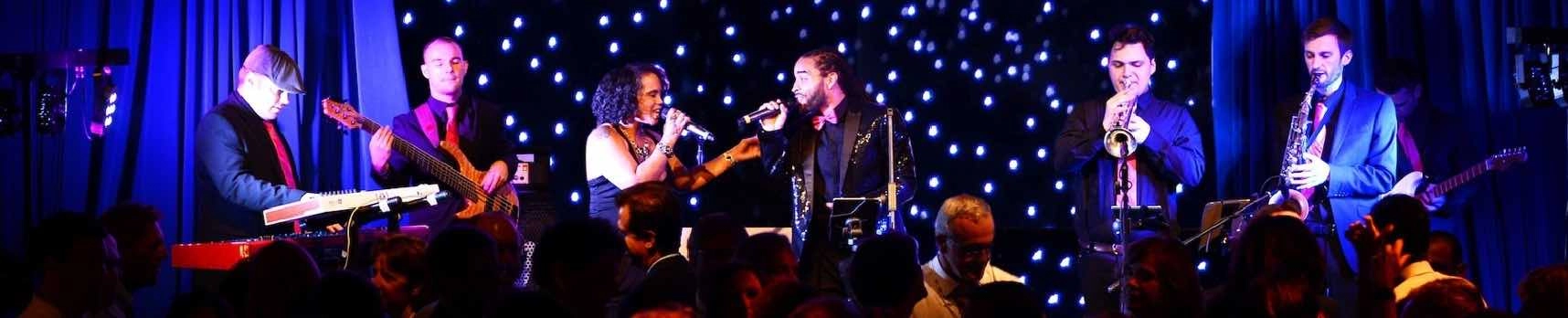
Last summer, my buddy Dave and I grabbed burgers near a local theater. The marquee outside read: Tonight: The Ultimate Zeppelin Experience! Dave looked at me, completely puzzled. "Hey, do tribute bands pay royalties to the original artists, or are they just ripping them off?"
It is a fantastic question. If you jump onto any tribute bands pay royalties reddit thread, you will see a massive mix of confusion. Some people think these groups operate completely illegally. Others assume Jimmy Page gets a check directly from the local pub every Saturday night.
The truth is much more interesting. Let's break down exactly how the music business handles tribute acts, who actually pays the bills, and how these musicians stay on the right side of the law.
Let's clear up the biggest myth first. When a group walks on stage to play a set full of classic hits, do cover bands need permission to perform? The short answer is no, not directly from the songwriters.
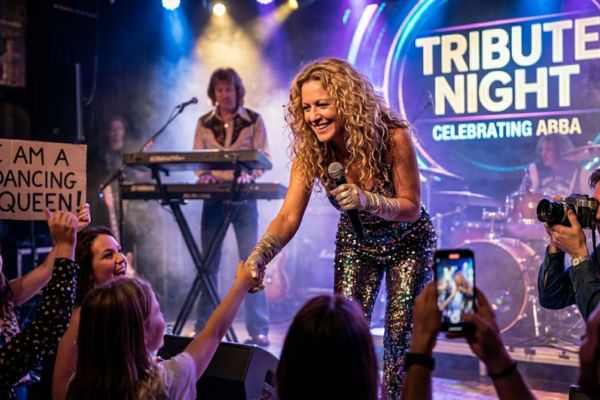
When you write a song, you own the public performance rights. However, the music industry utilizes a system of blanket licenses to keep live music flowing. Instead of a band calling up Mick Jagger to ask if they can play Satisfaction, the responsibility falls entirely on the venue.
Venues like bars, theaters, and festivals pay annual fees to Performance Rights Organizations, or PROs. In the United States, the big three are ASCAP, BMI, and SESAC. In the United Kingdom, it is PRS. These organizations collect fees from the venue owners and distribute the money to the original songwriters.
So, do tribute bands pay royalties out of their own pockets after a gig? Nope. As long as the venue has its PRO licenses up to date, the tribute band can play whatever they want completely legally.
If the music is covered by the venue, you might wonder how do tribute bands get around copyright issues when it comes to branding? This is where things get a bit sticky.
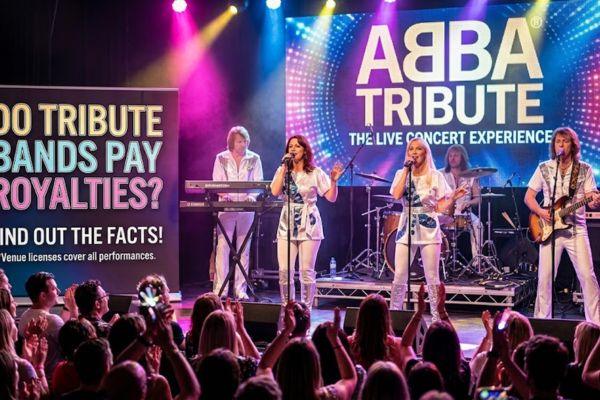
While the songs are legally clear to perform live, things like band names, logos, and album artwork are protected by trademark law. You cannot simply name your band The Beatles or use the exact AC/DC lightning bolt logo on your t-shirts. That constitutes trademark infringement and passing off, which means tricking consumers into thinking you are the actual, original act.
To survive, smart tribute bands use clever workarounds to build a brand without getting sued.
|
What Tribute Bands Can Do |
What Tribute Bands Cannot Do |
|
Perform the songs live under a venue license |
Use the original band's official trademarked logo |
|
Use clear disclaimer phrases like "A Tribute to..." |
Claim to be the actual original members |
|
Create a clever pun name (e.g., The Iron Maidens) |
Sell official merchandise copied from the original act |
By using clear disclaimers on posters and creating distinct band names, they completely satisfy the legal requirements. Everyone walking through the door knows they are seeing a dedicated homage, not the real rockstars.
Things get uniquely complicated when we look at solo acts. For example, do elvis impersonators pay royalties like a standard group?
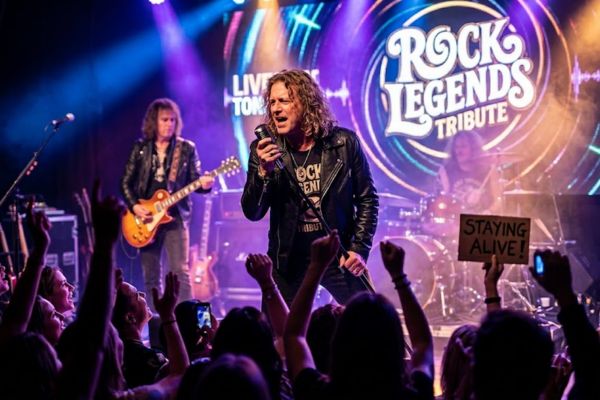
Elvis Presley Enterprises is famously protective of the King's image. Performing the music live is still covered under those standard venue PRO licenses. However, when an artist adopts the specific hair, the voice, the jeweled jumpsuits, and uses the name "Elvis" to sell out a theater, they cross into the territory of the Right of Publicity.
Because of this, high-profile Elvis tribute artists often have to secure specific image licenses from the estate, especially if they plan to film the show or sell merchandise. It is a completely different legal beast than a standard garage rock cover band.
You might think original rockstars hate these clone acts, but what do bands think of tribute bands in reality? For the most part, they absolutely love them.
First of all, the original songwriters make money from the venue royalties. Second, it keeps their music alive and relevant. Members of bands like Pink Floyd and Metallica have openly praised their top tribute acts. Some artists have even hired tribute musicians to join the real band when an original member retired or passed away! It serves as free, ongoing marketing for the original brand.
If they are not original, how do tribute bands make money to survive? It turns out, the tribute market is incredibly lucrative.
High Ticket Prices: Top-tier tribute acts can pack out 1,000-seat theaters and charge significant ticket prices.
Corporate Gigs: Companies love hiring acts that play familiar hits for private parties and holiday events.
Lower Overhead: They do not have to spend years marketing unknown original songs; the demand for the hits already exists.
To understand just how massive this industry is, you only have to look at one Swedish pop group. People always wonder, how many abba tribute bands are there globally?
There are easily over 100 professional, touring ABBA tribute bands active around the world today, with hundreds more regional acts playing local pubs. Groups like Björn Again have been touring for decades, playing massive arenas and making a fantastic living simply by recreating the magic of the original pop stars.
At the end of the day, tribute bands offer a wonderful, affordable way to experience the soundtracks of our lives. They keep the live music ecosystem thriving, pay respect to the greats, and ensure the original creators still get their fair share of the pie.
No, bands do not pay them. The live venue pays a fee to a rights group like ASCAP or BMI. This fee covers all the songs played that night.
Yes, they do need a form of consent. They cannot use trademark logos. Most groups use clear words like "tribute" to avoid tricking fans.
They play in licensed clubs that pay for the music rights. They also create unique names. This keeps them safe from big trademark lawsuits.
Most original artists love them. The shows help the creators earn steady royalty checks. It also keeps their classic songs alive for new young fans.
They sell tickets to packed theater shows and private parties. They do not have to market new music. Fans already know and love every single song.