
Planning the order of dances at a wedding can be tricky. But getting it right can make your day even more special. From your first dance to the parent dances, each moment matters. The order of dances at a wedding reception sets the tone for the celebration.
I’ve seen weddings where the dance order flows perfectly, and I want to help you achieve that. In this guide, I'll share the typical order of dances at a wedding and show you how to make your big day unforgettable. Let’s dive in!
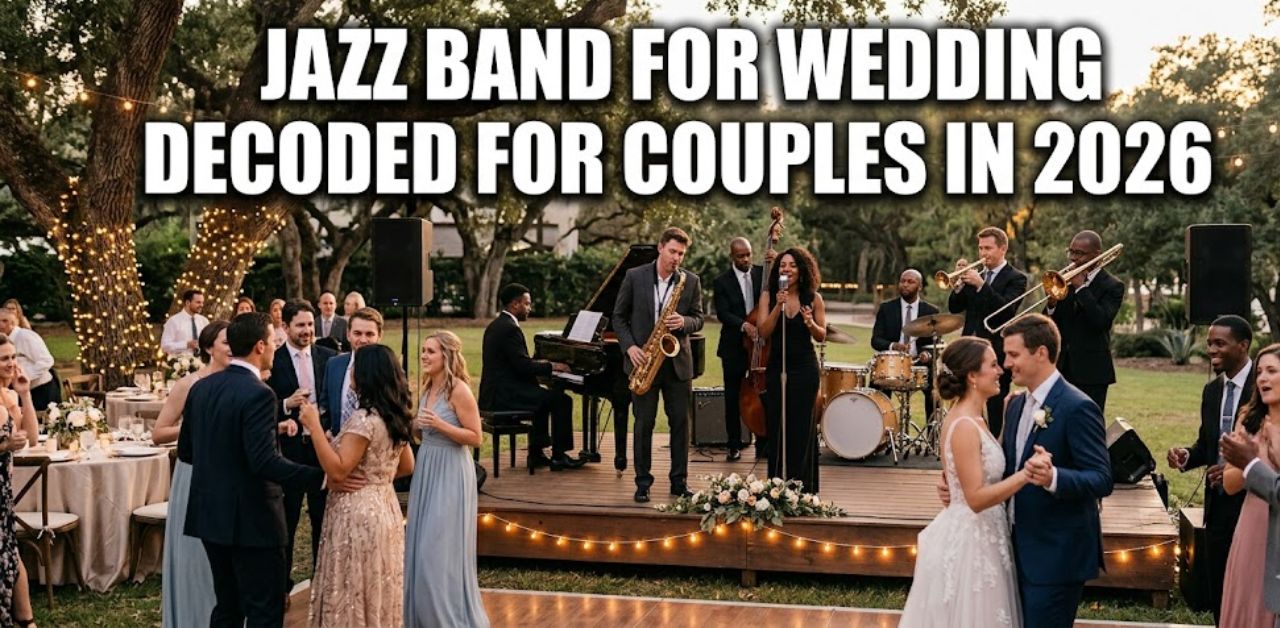
The first thing you’ll likely see at any wedding is the first dance between the newlyweds. This is the iconic moment where everyone gathers around to witness the couple's first dance as a married couple. It’s a magical moment that’s often set to a song that means something special to the couple.
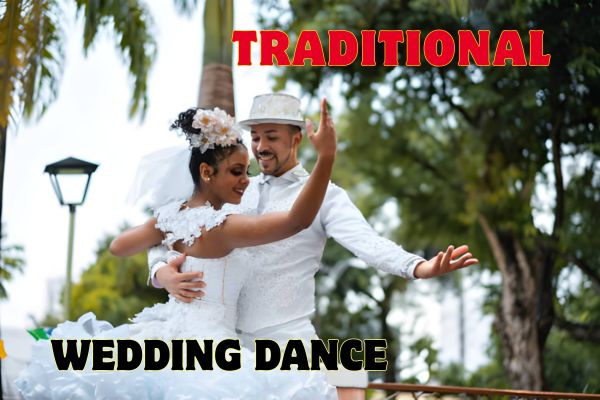
After that, the parent dances typically follow. This part is emotional. Parents get a chance to have a dance with their child, which can be such a touching moment. In many weddings, the father dances with the bride, and the mother dances with the groom. Depending on how things go, other dances might follow, like the wedding party joining in, or perhaps some traditional dances that reflect the couple’s heritage.
By the time these dances are finished, it’s time for the group dances to begin, where guests join the fun. This often involves a mix of music that gets everyone up and moving.
In the UK, weddings often stick to this traditional timeline, with the first dance starting the evening's festivities and creating an emotional atmosphere. It’s often followed by more lighthearted dances to keep the energy going.
The order of dances at a wedding reception can really shape the flow of your evening. I remember at one wedding, the first dance had everyone watching, their eyes filled with emotion. After that, the parent dances came next, and the whole room seemed to share in that special moment.
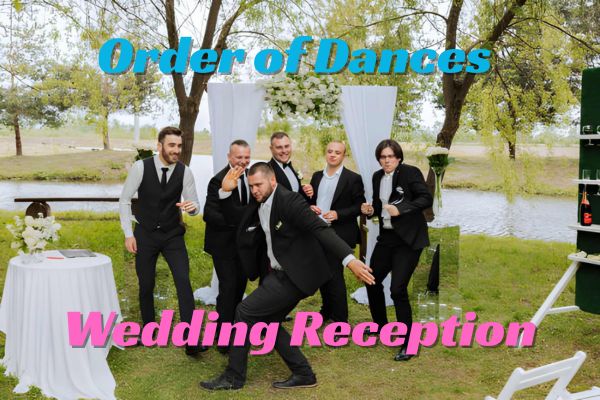
In most weddings, the order of dances at wedding receptions starts with these key dances—each one adding meaning to the celebration. After those, the wedding party dance often gets the crowd moving, and soon, the dance floor is full of happy guests.
But a common sequence often goes like this:
First Dance: The couple’s special moment.
Parent Dances: A sentimental tribute to the bride and groom’s parents
Wedding Party Dance: The bridal party joins the couple for a fun celebration.
Guest Dancing: Everyone gets involved with fun music, and the floor fills up!
After the first dance, many couples choose to invite their parents onto the floor. The parent dances are beautiful moments that honour the bride’s father and groom’s mother. It’s a way to express gratitude to them for their support throughout the couple’s life.
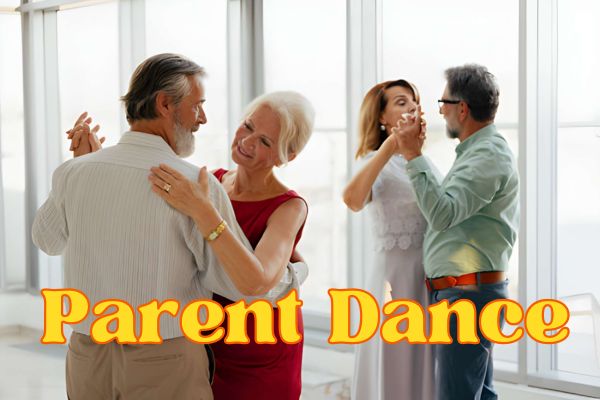
In terms of timing, it’s best to schedule the parent dances right after the first dance. This keeps the momentum going and lets your guests soak in the emotions of the day before heading into more upbeat dances.
Choosing the perfect song for these dances is important. Classic choices like “My Girl” for father-daughter or “A Song for Mama” for mother-son are always safe bets, but feel free to pick something meaningful to you.
The first dance is a key moment at any wedding. I’ll never forget my cousin’s wedding. When she danced with her new husband, the whole room went silent. It felt magical. That’s the power of the first dance—it’s a special moment just for the couple.
In the order of dances at a wedding, the first dance comes first. It’s your time to shine and share your love with everyone. Pick a song that means something to both of you. It could be a romantic tune or one with a personal connection.
The order of first dances at wedding sets the mood. It’s a quiet, intimate moment before the party really gets going. Enjoy it, because it’s yours.
The order of special dances at weddings can really add some fun to your day. After the first dance and parent dances, it's time to mix things up. I remember one wedding where the couple surprised everyone with a group dance. The energy was incredible, and everyone joined in.
The order of dances at wedding reception doesn’t have to be all formal. Add some fun dances to keep the mood light and exciting. Let your personality shine through these special moments!
Once the first dance and parent dances are done, many couples choose to include a few special dances. These can range from anniversary dances to specific cultural dances or even fun surprise moments.
Wedding Party Dance: This is when the whole wedding party gets on the floor and shares a celebratory moment.
Anniversary Dance: Some couples like to honour couples who have been married the longest by inviting them to the dance floor
Cultural or Regional Dances: Depending on your heritage, you might include traditional dances like a ceilidh or other dances reflecting your background.
When planning the order of dances at a wedding, it’s easy to make mistakes. I remember a wedding where the dance order felt off. It wasn’t bad, but it could’ve been better. One mistake people often make is adding too many dances. If the schedule is packed, guests might get tired, and the fun can fade.
Another mistake is not telling guests what to expect. If they don’t know when to get up, it can cause confusion. Make sure your DJ or band gives a quick heads-up about the dance timeline. Lastly, picking the wrong songs can hurt the vibe. The order of dances at wedding reception should reflect your style, not just follow trends.
Here are a few common mistakes:
Overstuffing the schedule: Too many dances can leave guests feeling tired. Keep things flowing but don’t overdo it.
Lack of communication: Not informing your guests about the dance schedule can lead to awkward moments. Be sure your DJ or band knows the timeline!
Picking the wrong songs: Sometimes, couples pick songs that don’t match the vibe they’re going for. Don’t be afraid to test out songs before finalizing them.
The order of dances at wedding reception UK can be a little different from other places. UK weddings often mix tradition with fun. The first dance is usually formal, with guests watching the couple share a special moment. After that, the parent dances and wedding party dances follow.
One of the great things about UK weddings is how they include traditional dances. In some parts of the UK, a ceilidh dance or other local dances are added. These dances get everyone involved and add a bit of charm to the day.
Knowing the order of dances at wedding reception in the UK helps you blend tradition with your personal touch. You can keep things classic or surprise guests with something fun. Just remember, it’s about creating lasting memories for everyone!
Making the order of dances at a wedding personal and fun is key to creating special memories. I remember at my cousin’s wedding, after the first dance, they surprised everyone with a flash mob! The energy shifted instantly, and everyone joined in.
Your order of dances at wedding doesn’t have to be strict. Yes, the first dance and parent dances are important, but this is your chance to have fun. You could add a choreographed dance with your wedding party or invite your guests to join right after the parent dances.
The order of dances at wedding reception is where you can make the evening truly yours. Add a personal touch, mix things up, and keep it fun. This is your time to make lasting memories!
The order of dances at a wedding is key to making your day special. Whether you follow the traditional order of dances at a wedding or add your unique touch, getting it right matters. From the first dance to the parent dances, each moment is meaningful. I’ve learned that every couple has their own perfect dance plan. So, take these tips, make them yours, and create a celebration everyone will remember. Ready to plan your dances? Let’s get started!
The typical order of dances at a wedding starts with the first dance, followed by parent dances, wedding party dances, and then general guest dancing.
The order of parent dances at a wedding usually comes right after the couple’s first dance. The father-daughter and mother-son dances are emotional moments that follow the initial celebration.
The order of dances at a wedding reception typically includes the first dance, parent dances, wedding party dances, and then open dancing for all guests to enjoy the party.
To make the first dance at a wedding special, choose a song that has personal meaning to you and your partner. Consider adding a surprise element like a choreographed routine or a fun twist.
Yes, UK weddings may have slight differences, such as including traditional dances like the ceilidh in Scotland, or more formal dance orders in London and southern England.